 HireFly Blog
Employee Relations Case Management: From Intake to Closure
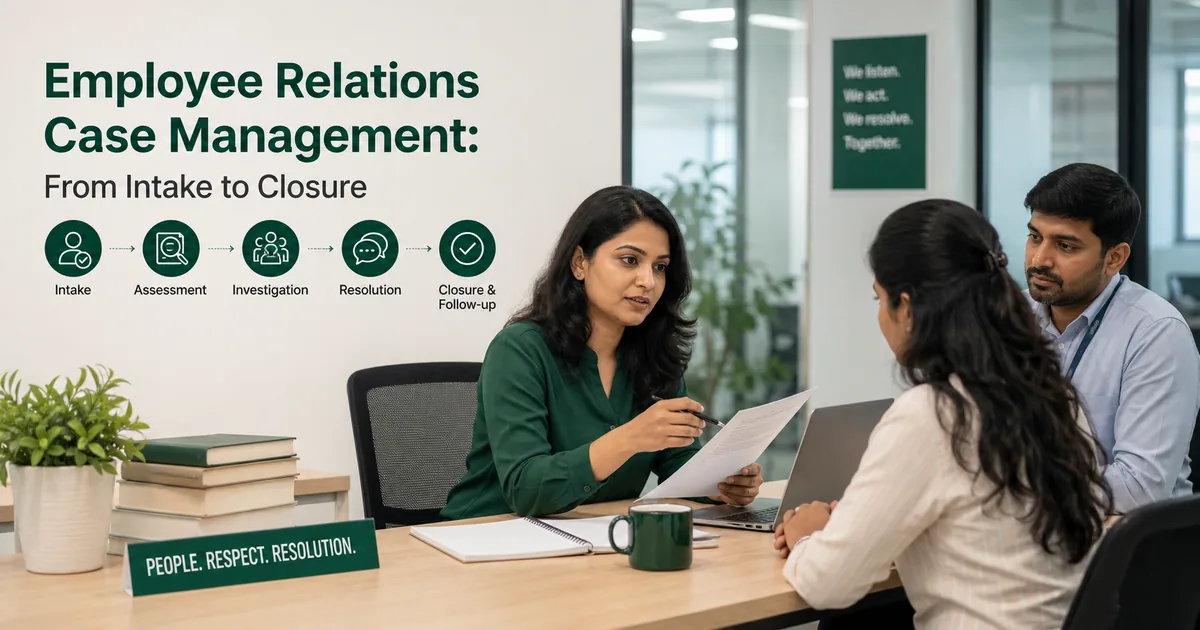
Employee relations case management provides a controlled path from an employee concern or management referral to an appropriate outcome. It does not force every matter into the same investigation or disciplinary process.
Create safe intake routes
Offer clear channels for employees, managers and representatives, including an alternative when the normal contact is involved. Record the concern in the person’s own terms, immediate safety needs, requested support and any confidentiality concerns.
Triage promptly
Assess urgency, safeguarding, retaliation risk, statutory or policy route, conflicts and whether interim measures are needed. Distinguish a query, grievance, misconduct allegation, performance issue, health matter and whistleblowing concern. Escalate to qualified specialists where necessary.
Assign ownership and scope
Name the case owner, decision-maker and investigator if one is required. Record allegations or questions to be resolved, relevant time period and exclusions. Check conflicts before work begins.
Plan proportionately
Identify evidence, interviews, representation rights where applicable, communication checkpoints and target dates. Preserve relevant records without collecting unrelated personal information. Explain delays and revised timing.
Maintain a usable chronology
Record intake, decisions, evidence requests, contact, interim measures and reasons. Separate fact, allegation, analysis and decision. Corrections should be traceable rather than overwritten silently.
Communicate with participants
Explain process, expected conduct, confidentiality limits, support and contact. Do not promise complete secrecy when information must be shared for a fair response. Protect against retaliation and address new concerns through the appropriate route.
Reach and record the outcome
The authorised decision-maker should assess reliable evidence against the applicable policy or requirement. Record findings, rationale, action, communication and any review or appeal route. Share only information each participant is entitled to receive.
Close operationally
Confirm actions, restore or adjust work arrangements, retain records according to approved rules and remove unnecessary duplicate files. Follow up on workplace risks without reopening settled facts casually.
Review case-system health
Track ageing, repeated delays, reopens, themes, interim measures and participant experience using protected, aggregated information. Case counts alone do not indicate a healthy or unhealthy workplace.
Set service standards without rushing fairness
Define acknowledgement, triage and update expectations, but allow investigation timing to reflect complexity and availability. Ageing reports should show why a case is delayed and what the owner is doing. Closing a case administratively while actions remain outstanding creates a false service result.
Manage connected cases
One concern may relate to another grievance, absence, performance process or investigation. Link records under restricted access without casually combining allegations or sharing participants’ information. Decide whether processes should run together, pause or remain independent with specialist advice.
Control case-system access
Use role-based permissions, audit logs, secure evidence transfer and clear rules for exports. Email and spreadsheets can create uncontrolled copies. Configure notifications so subject lines and previews do not expose sensitive details.
Learn without prejudging
Aggregate themes can identify policy confusion, manager gaps or repeated locations, but a trend is not proof that every allegation is substantiated. Separate case outcomes from reported concerns and explain data limitations to leaders.
Case management creates consistency and accountability while preserving the differences between individual matters. High-risk cases still need current legal and specialist advice.